
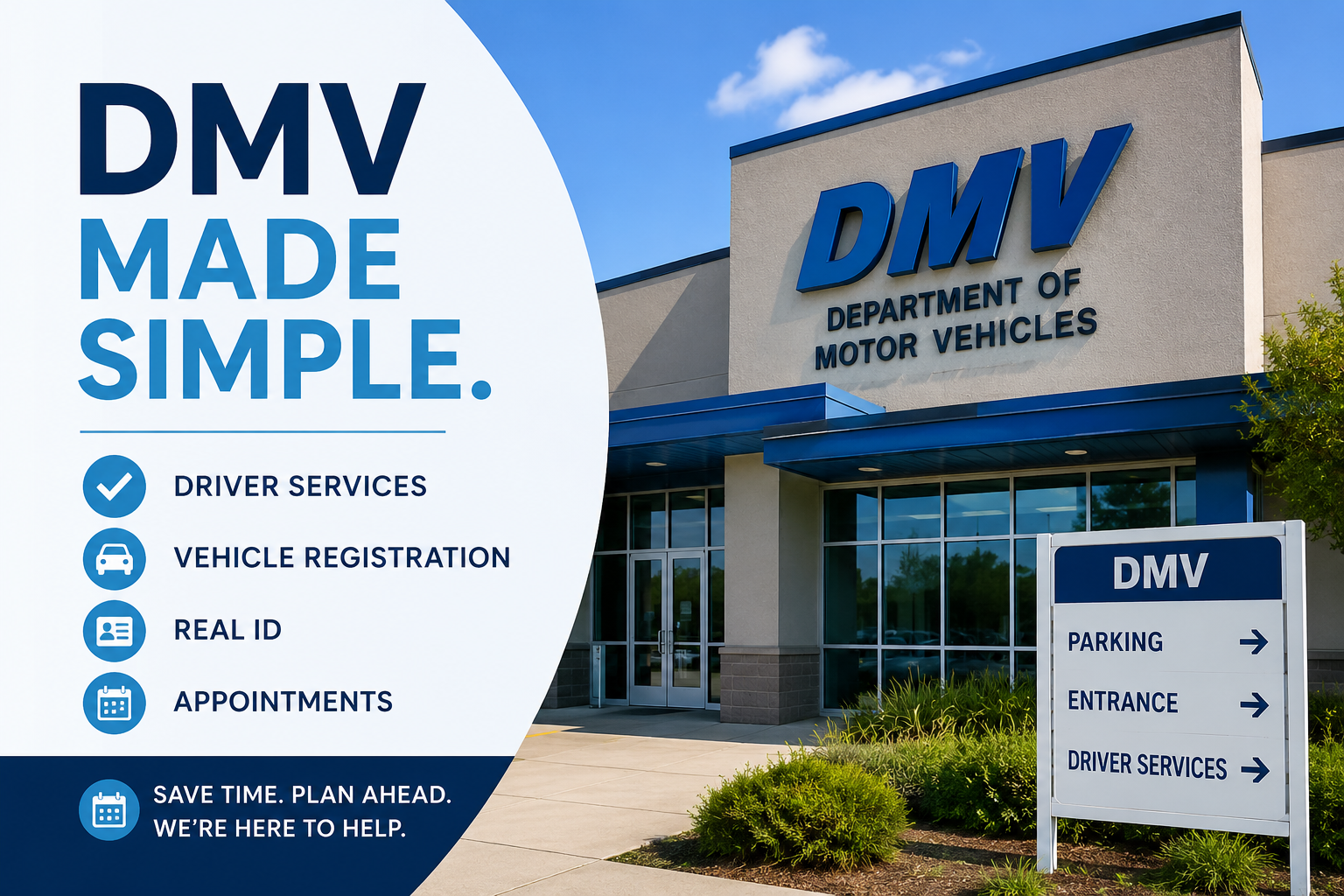
A Florida driver’s license reinstatement took four trips to the DMV instead of one — not because of an insurance mistake, but because a new requirement kept surfacing on each visit. Here’s what happened, and what it means for anyone heading into a DUI reinstatement.
Lesson Learned: Confirmed doesn’t always mean complete.
There’s a version of this story I’ve heard more times than I can count. The names change. The cities change. The specific requirement that surfaces at the last moment changes. But the frustration is almost identical every time.
Someone does exactly what they were told to do. They come back ready. And then they find out there’s something else — something nobody mentioned on the last trip.
This one took four trips to finish, but it finished. He came home today with his license back in hand.
How It Played Out
Trip One: He went to the DMV to find out what he needed to reinstate his license after a DUI. They told him: get an FR-44 insurance policy. That’s what you need. Come back when you have it.
So he left and started working on the insurance.
Trip Two: That’s when we talked. I explained how Florida FR-44 filings actually work — including the part most people don’t know about upfront, which is that the filing requires a case number tied directly to your suspension record. Without the correct case number, the filing can’t be properly submitted. He didn’t have it — and lately,
case numbers have gotten harder to track down than they used to be. So he made another trip to the DMV to get it.
He came back with the case number — that part worked.
Trip Three: With the case number confirmed, we got the FR-44 policy set up correctly. The filing was submitted. The documentation was in order. He drove to the DMV for the third time, everything in hand, ready to finally get his license back.
Then they told him he needed an ignition interlock device installed before reinstatement could happen.
Nobody had mentioned that. Not on trip one. Not on trip two.
He came home that day without his license.
Trip Four: Once the ignition interlock device was installed, he went back. The device was verified, everything checked out, and this time he walked out with his license reinstated.
Four trips. But it’s done.
This Isn’t a Failure — But It Is Avoidable
I want to be clear about something: this driver didn’t do anything wrong. He responded to exactly what he was told at each step. He followed up. He got the case number. He got the insurance. He showed up prepared.
Here’s the thing people don’t always realize: in a perfect world, this process is actually spelled out. When someone is convicted of a DUI in Florida, the DMV sends a letter. That letter lists what’s required for reinstatement — the FR-44 insurance, the ignition interlock device if it applies, everything. It’s all there.
But people get arrested, court processes drag on for months, and by the time reinstatement becomes relevant, that letter is long gone. Most people don’t know to hold onto it. Some never even connected it to what they’d eventually need.
So when they finally walk into the DMV ready to start the process, they’re not working from that letter anymore. They’re working from whatever the person behind the counter tells them. And that’s where things get inconsistent. DMV staff are often overwhelmed, sometimes undertrained, and dealing with an enormous volume of cases. Some are thorough. Some give you just enough to send you on your way. It’s not malicious — but the result is the same. Drivers leave with an incomplete picture, come back having done what they were told, and find out there’s another layer waiting.
It’s the same pattern here. The interlock requirement didn’t appear out of nowhere — it was always part of his case. It just never came up until trip three.
What I Tell Drivers Before They Make That First Trip
Situations like this one are exactly why I try to walk through the complete reinstatement picture with every client before they go anywhere. Not just the insurance piece — the whole thing.
Because the insurance piece is only one layer. There’s also court-ordered program completions, DUI school requirements, the ignition interlock device if it applies, the FR-44 filing with the correct case number attached, reinstatement fees, and a newer issue I’ve been tracking closely — Florida’s updated license numbering system, which can cause a re-suspension after a successful reinstatement even when everything was done right.
None of these are impossible to manage. But they need to be identified upfront, not discovered one trip at a time.
If there’s any question about what’s required, calling the DMV before you go — or having your agent walk through the specifics with you — can prevent exactly this kind of situation.
The Moment When Real-Time Support Actually Matters
When you’re sitting in that DMV waiting room, you want to be able to make one phone call and have something happen immediately. I’ve had clients text me a case number from the DMV floor and had the corrected FR-44 certificate faxed to that office before they were even called to the window. Real-time support like that is what turns a potential second trip into a same-day reinstatement.
I write about this in detail in my article on proving FR-44 insurance to the DMV in real time — because there’s a real difference between an agent who writes the policy and moves on, and one who’s reachable at the moment you actually need them.
In this driver’s case, the insurance and filing side were handled correctly. The case number was right. The documentation was in order. What caught him was a requirement outside the insurance piece — one that should have been surfaced on trip one.
The Assumption That Keeps Costing People
There’s a pattern I’ve written about that runs through almost every complicated insurance situation I see: the cost of assumptions.
Assuming the DMV told you everything you’d need. Assuming that because the insurance is in place, all the boxes are checked. Assuming that confirmed means complete.
I wrote about this dynamic recently in Don’t Assume Anything About Your Car Insurance — and the reinstatement process is one of the clearest examples of why that assumption is dangerous.
How It Wrapped Up
He has his license back now. The interlock device is installed and verified, the FR-44 filing is in place, and four trips later, he’s driving again legally.
But it didn’t have to take four trips. A single thorough conversation at the beginning — before trip one — might have put everything on the table at once. The insurance requirement, the case number, the interlock device, all of it. One checklist. One plan. One or two trips instead of four.
It’s what I try to give every driver who calls me in the middle of this process.
If you’re heading into a reinstatement and you want to understand what you’re actually walking into — not just the insurance piece, but the whole picture — I’m easy to reach. One conversation upfront is worth a lot more than a fourth trip to the DMV.
More from the Real Story Series
Real Story One: Keys in Your Pocket
Real Story Two: The Starbucks Tag Number
Real Story Three: The Quote I Never Submitted
Real Story Four: The Fourth Trip to the DMV (this article)
About the Author
Written by Clifford Schimek — Statewide Auto & FR-44 Insurance Expert
I help Florida drivers every day with auto insurance quotes and FR-44 filings. My goal is to make everything simpler and less stressful, no matter where you live in the state. If you ever need help or just want a straight answer, you can always call or text me directly.
Clifford Schimek
Statewide Auto & FR-44 Insurance Expert
Call or text: 305-796-2968
Learn More About Cliff
Why Clifford Schimek? – The case for working with me
Florida Auto Plus Insurance – Agency website
Florida FR-44 Information and Guidance – For Florida drivers who need an FR-44 filing
View my Google Business Profile – Reviews and business information